Subject rationale – Why study the subject? What benefits does it bring?
At the core of our ethos in the English Department is the drive to inspire, motivate and support students in their learning throughout the school but also to inspire an appreciation of the power of Literature and to encourage a love of reading. We believe that through an engaging curriculum we can encourage pupils to reflect on the world in a meaningful and critical way and increase their cultural capital through their exploration of Literature and non-fiction texts.
Through this philosophy, we will aim to:
- Instil a life-long love of reading and develop resilience when faced with challenging texts.
- Give students the opportunity to experience the theatre.
- Develop and refine our students’ use of language, promoting vocabulary acquisition.
- Develop our students’ knowledge, experience and accuracy of spoken and written forms of English language.
- Ensure that English provides students with opportunities for personal growth, developing moral and social awareness.
- Enhance students’ creativity and enjoyment in writing in a range of forms.
- Provide regular enrichment activities through the Arts Project, Poetry competitions, Debating, Writing and Book Clubs.
KS3 curriculum overview
Our Key Stage 3 curriculum is diverse, engaging and relevant. Year 7 will read "A Christmas Carol" and explore themes of poverty and inequality both within the book and also in the world around them. They also read "Bone Sparrow" - a contemporary novel about life in a refugee camp - engaging with the key issues facing refugees and learning about the refugee experience.
Year 8's engage with Shakespeare for the first time, exploring the murderous misdeeds of Macbeth - exploring issues of gender and gaining an insight into the life and times of William Shakespeare. Additionally they will also read and explore the politically intriguing "Animal Farm" and its hidden messages and allegory.
Year 9 sees exploration of the Gothic Horror genre with a focus on "The Strange Case of Dr Jekyll and Mr Hyde", exploring the many sides of life in Victorian London. Furthermore, the year continues with persuasive writing and poetry through the ages.
KS4 curriculum overview
At Key Stage 4 we follow the AQA Specification. Students will study Romeo and Juliet, Frankenstein, An Inspector Calls and Worlds and Lives Poetry as part of GCSE English Literature. Throughout the course students will study for two GCSE’s in English Language and English Literature. Students will also prepare for a Spoken Language assessment. This will be awarded a separate level of pass, merit and distinction
Assessment overview
GCSE English:
Paper 1 - Explorations in Creative Reading and Writing - Fiction - 1 hour 45 minutes
Paper 2 - Writers’ Viewpoints and Perspectives - Non Fiction - 1 hour 45 minutes
GCSE Literature:
Paper 1 - Shakespeare and the 19th Century Novel -1 hour 45 minutes
Paper 2 - Modern Texts and Poetry - 2 hours 15 minutes
Spoken Language:
Presentation and Discussion
KS5 curriculum overview
At Key Stage 5 we follow the Edexcel Specification. Students will study Othello and A Streetcar Named Desire. They will also study Gothic horror, focusing on Dracula and The Little Stranger. In terms of poetry, they will study a range of post 2000 poems, develop unseen poetry analysis and study the poetry of Christina Rossetti.
Assessment overview
Paper 1 - Drama - 2 hours 15 minutes
- Othello and
- A Streetcar Named Desire
Paper 2 - Prose - 1 hour 15 minutes
The Supernatural - Dracula/The Little Stranger
Paper 3 - Poetry - 2 hours 15 minutes
- Post- 2000 Poetry/Unseen
- Christina Rossetti Poetry
Revision guidance
GCSE Literature
Break the text into key moments from your text. Make sure you are clear why it is a key moment in terms of plot / character / theme.
Learn quotations A3 sheet. Annotate each quotation with who/what/when, language techniques. Use the Pictograms to help memorise quotations.
Without looking at your notes, create an essay plan on each of the key themes. For example, in Frankenstein: ambition, revenge, prejudice. After you finish, check your notes/exercise book/A3 sheet and add more info improve your plan.
GCSE English Language
Paper 1 - Qu 5 – Turn to page 20 of your planners. Using the Synchronised Sentences sheet, write about a busy/beautiful place you have been recently using 10 different synchronised sentences including a colon and a semi-colon.
Qu 5 – Find 3 different synonyms for the following words: scared, dark, big, stormy, silent, colourful, sad, small, empty, loud.
Qu 1-5 – Create revision cards to help you approach each question. On the front, it should say the question e.g. ‘Question 1, Paper 1’. On the back, you should write down the steps your teacher has given you to approach the question.
Paper 2 - Qu 5 – Find a ‘Guardian Opinion’ newspaper article on a subject that interests you
(https://www.theguardian.com/uk/commentisfree). Read the article and summarise its 3 main arguments. Then, find 5 words you do not understand, look them up and write 5 different sentences of your own using the new words.
Career opportunities
There are a wide range of careers available through studying English.
These include:
- Lawyers / solicitors
- Journalism
- Teaching
- Advertising, Marketing and Public Relations
- Publishing
Welcome to the English Department video
Click here for Frequently Asked Questions
Related Blog Posts

Eco Group make it in to the 10 years of Hugh Kenrick Days Publication
Congratulations to Mrs Flynn Vilic on her write up on the Eco Group visit to Martineau Gardens, making it into the 10 years of Hugh Kenrick Days Publication. You can see a copy of it on page 9 of the publication by clicking here.
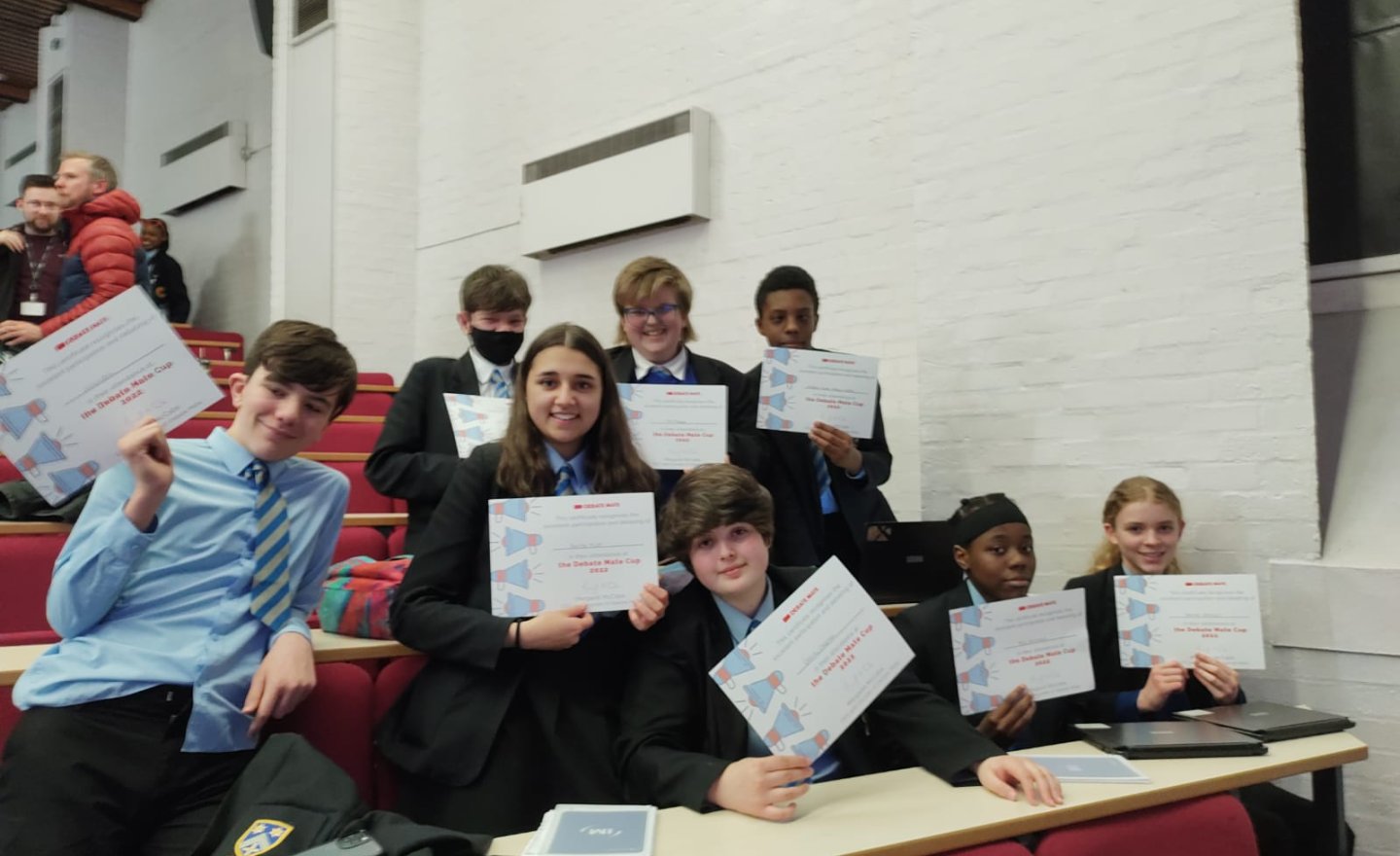
Debate Mate
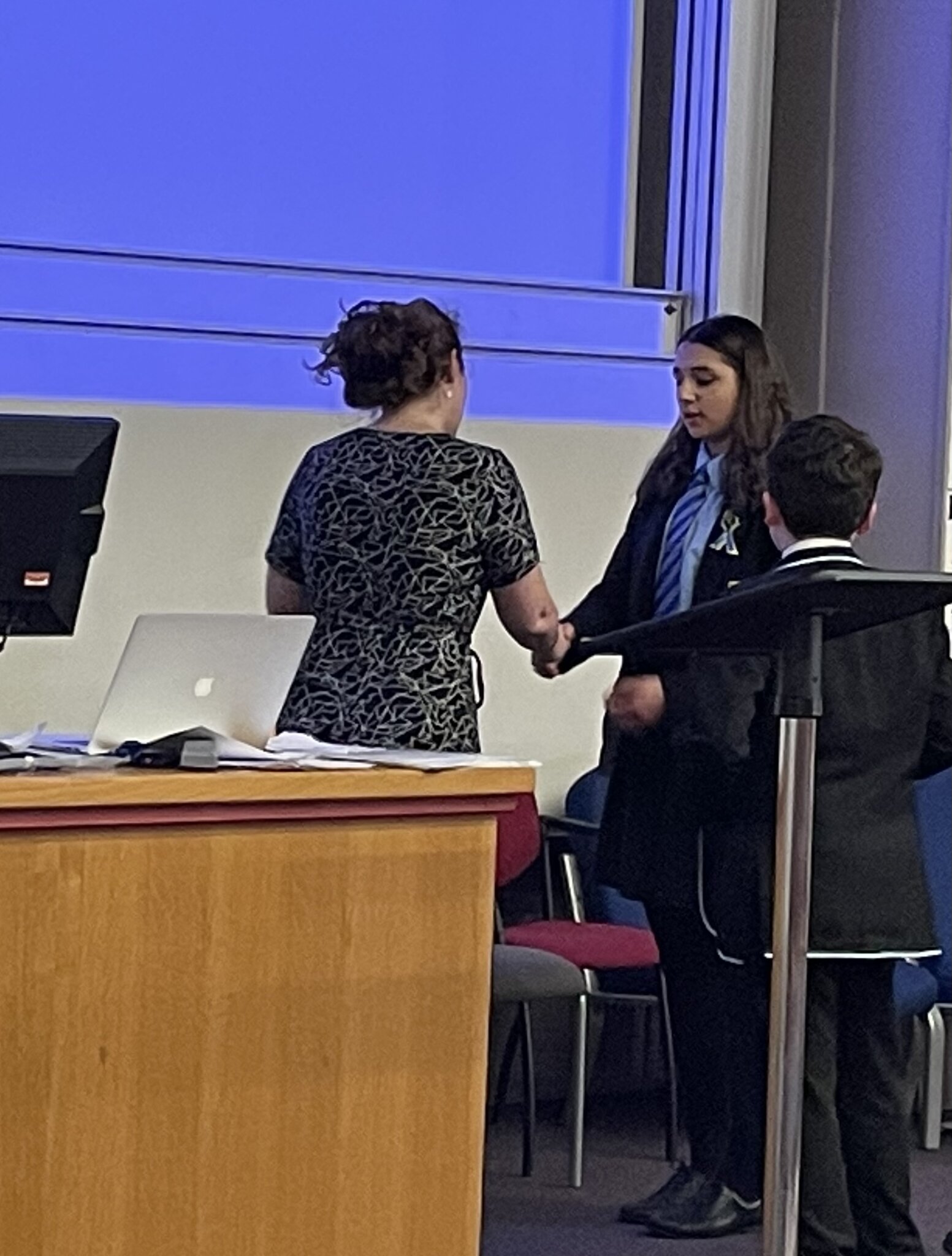
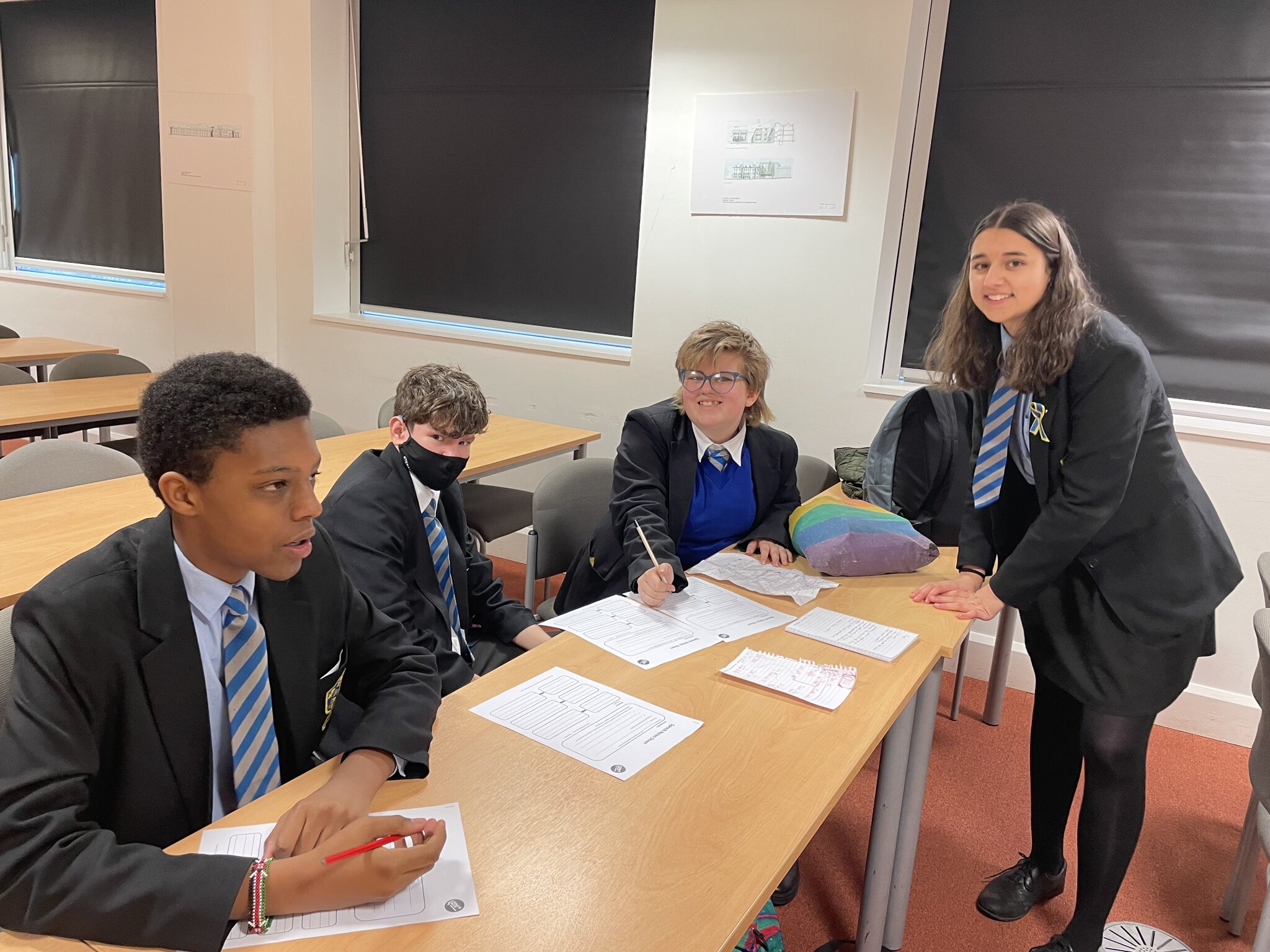
We are pleased to report that Bishop Challoner came third in the West Midlands Debate Mate Cup this year, and Cassidy won a prize for her brilliant floor question!
Well done to all of the team!

Year 9 English
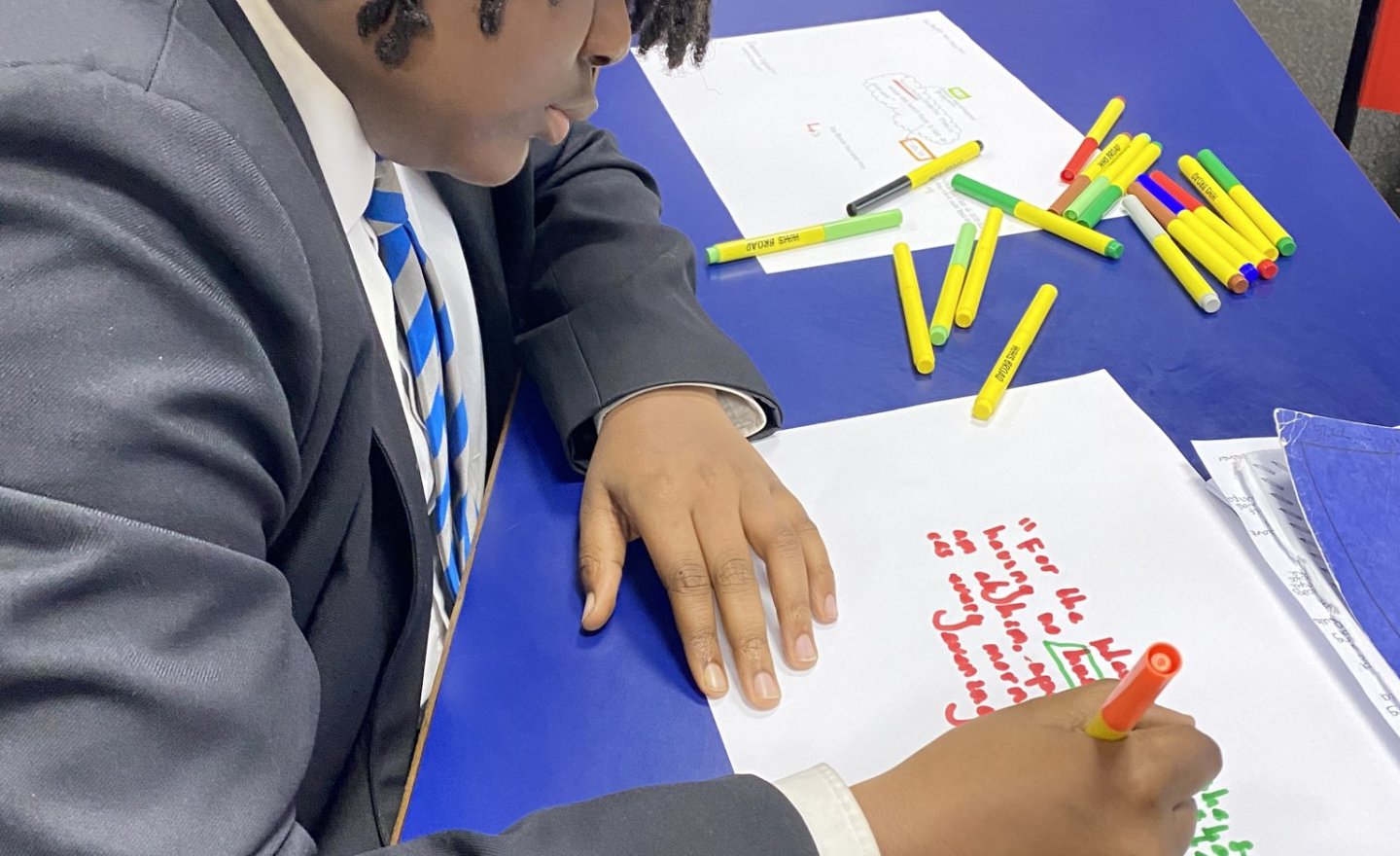
Year 9 students have been working hard in their English lessons analysing quotations from “Much Ado About Nothing”.